IC Markets

 3:09
 2:39
 2:10
 2:18
 3:43
 8:42
























How Much Money Do You Need to Start Forex Trading in Kenya?
You can open an account with a few thousand shillings, but a balance that lets you trade with sensible stops starts nearer KSh 25,000 to KSh 65,000. Here is the maths, in shillings.
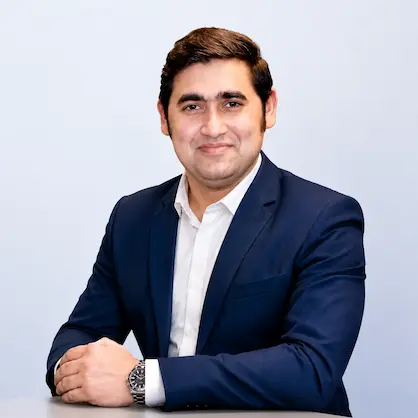
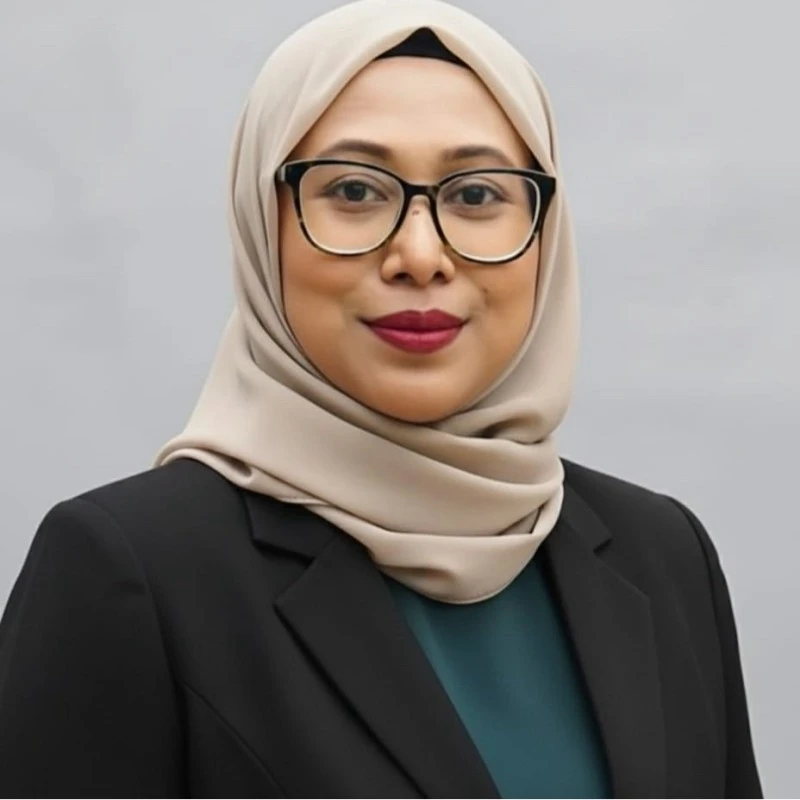
 WriterAbir KhanWriterWrites the guides · checks every figure against primary sources View profileAbout Abir →

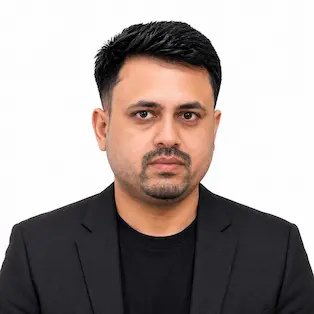
 Market analysisTanbir Habib RiyadForex & Crypto AnalystForex and crypto analyst · technical and fundamental analysis View profileAbout Tanbir →

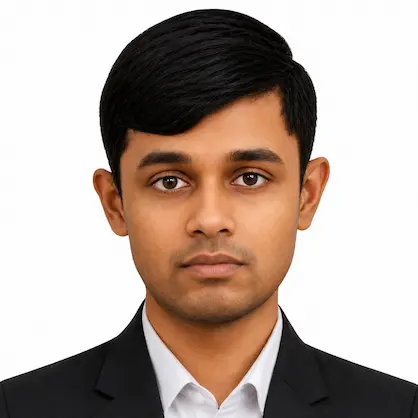
 Fact-checking & riskJannatul FerdaushFact-Checker & Risk AnalystFact-checks every figure · risk analysis · Applied Statistics, University of Dhaka View profileAbout Jannatul →

 Trading reviewJowel RanaForex TraderForex trader · reviews guides from a trader's view View profileAbout Jowel →

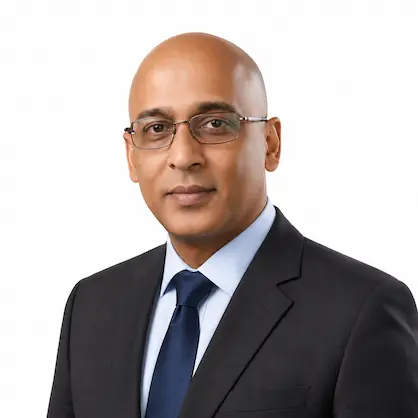
 Final approvalRanjan N. MondolForex TraderForex trader · signs off every guide View profileAbout Ranjan →

You can start forex trading in Kenya with as little as a few thousand shillings, but to trade with proper stop-losses at 1% risk per trade, a realistic starting balance is roughly KSh 25,000 to KSh 65,000 (about $200 to $500). Below that, even the smallest standard trade risks too much of the account, unless you use a cent account. This guide works through the numbers in shillings, using an illustrative rate of KSh 130 to the US dollar; check the day's rate before you deposit.
The right amount is not just about what a broker accepts. It is about what lets you follow risk rules, survive normal losing streaks and learn without pressure.
| Smallest standard trade | 0.01 lot, about $0.10 (KSh 13) a pip on EUR/USD |
|---|---|
| 1% risk on KSh 25,000 | KSh 250, a 19-pip stop at 0.01 lot |
| 1% risk on KSh 65,000 | KSh 650, about a 50-pip stop at 0.01 lot |
| Cent accounts | Let smaller balances use normal stops |
| Licensed local brokers | Listed on the Capital Markets Authority register |
The maths: risk per trade in shillings
The safest starting rule is to risk no more than 1% of the account on any trade. The chart shows what that means at different starting balances.
A 0.01-lot trade on EUR/USD is worth about $0.10 a pip, roughly KSh 13 at our illustrative rate. That decides how wide your stop-loss can be while keeping risk at 1%.
On a KSh 6,500 account, 1% allows a stop of about 5 pips, which normal market noise will hit almost at once. At KSh 25,000 a 19-pip stop becomes possible, and at KSh 65,000 a 50-pip stop. That is why we suggest the KSh 25,000 to KSh 65,000 range as a practical starting point for a standard account.
Options by budget
| Budget | Sensible approach | What to expect |
|---|---|---|
| Under KSh 10,000 | Demo account, or a cent account to learn execution | Learning only; profits will be tiny |
| KSh 10,000 to 25,000 | Cent account, or very tight risk on standard | Room for practice with real money |
| KSh 25,000 to 65,000 | Standard account, 0.01 lots, 1% risk | Normal stops on major pairs |
| KSh 130,000+ | Standard account with some flexibility in size | Can size trades properly on most pairs |
Our guide to cent and standard accounts explains when each makes sense, and the $10 forex guide shows the extreme case.
Choosing a broker in Kenya
Kenya is one of the few African countries with a licensing regime for online forex brokers. The Capital Markets Authority publishes a register of licensed non-dealing and dealing online foreign exchange brokers; our guide to CMA-licensed forex brokers in Kenya lists them with licence numbers. Using a licensed Kenyan entity gives you a local regulator to complain to and often M-Pesa deposits; see brokers that accept M-Pesa.
- Check the exact company name on the CMA register, not just the brand.
- Read the minimum deposit and withdrawal fees in shillings; a KSh 300 fee is 1.2% of a KSh 25,000 account.
- Look at the account's base currency; a KES or USD account changes how conversion costs hit you.
- Test a small M-Pesa deposit and withdrawal before funding fully.
Leverage and margin in shillings
Margin is the deposit your broker holds while a trade is open. A 0.01-lot EUR/USD trade controls 1,000 euros, about $1,100 at a rate of 1.10, or roughly KSh 143,000. At 100:1 leverage the margin is about $11 (KSh 1,430); at 30:1 it is about $36.67 (KSh 4,767).
High leverage lets a small account open trades, but it does not change the risk per trade: that is set by the stop-loss and the lot size. A KSh 25,000 account can afford the margin for several micro lots, but at 1% risk it should usually hold only one or two trades at a time. Keep effective leverage low by keeping total position size modest compared with your balance.
Hidden costs on small accounts
On small balances, fixed costs matter. A spread of 1.5 pips on a 0.01 lot costs about KSh 20 per trade. Twenty trades a month is about KSh 400, or 1.6% of a KSh 25,000 account, before any trade is right or wrong. Add M-Pesa transfer charges and possible conversion costs, and a small account can lose several percent a month to costs alone if it trades too often.
A starting plan
- Practise on a demo account until you have a written strategy and at least 50 recorded trades.
- Open an account with a CMA-licensed broker and deposit what you can afford to lose, ideally KSh 25,000 or more.
- Risk 1% or less per trade, sized from your stop-loss with the position size calculator.
- Trade the London and New York overlap, 16:00 to 20:00 Kenya time in the UK winter; see forex market hours in Kenya.
- Add savings monthly rather than increasing risk; keep records for KRA.
A teacher in Nakuru deposits KSh 30,000 with a CMA-licensed broker through M-Pesa. She risks KSh 300 per trade with 20 to 23-pip stops at 0.01 lots on EUR/USD and trades about ten times a month. After three months her balance is KSh 28,900; she has lost 3.7%, mostly to a losing run in her second month, but her journal shows she followed her rules on every trade. She adds KSh 5,000 a month from her salary and keeps the same risk rule.
Tax on profits
Kenyan tax residents are taxed on worldwide income, and trading profits generally form part of it. Our guide to forex trading tax in Kenya covers KRA's rates and filing on iTax.
Decide in advance how much you will add to the account each month, and never top it up straight after a loss. Deposits made in anger usually follow losses made in anger.
Forex and CFD trading carries a high risk of losing money quickly because of leverage. Only trade money you can afford to lose. This guide is education, not financial advice.
This is general information from official sources, not legal or tax advice. Rules change; check the tax authority's current guidance, or speak to a qualified adviser, before acting.
Cite this guide
FX Recap, "How Much Money Do You Need to Start Forex Trading in Kenya?", updated 2 November 2026, https://fxrecap.com/top-broker/in-south-africa/how-much-money-to-start-forex-kenya
Free to quote with a link. Journalists: data and comment in our press room.
Frequently asked
How much money do I need to start forex trading in Kenya?
You can open an account with a few thousand shillings, but to trade with normal 20 to 50-pip stops at 1% risk per trade, a starting balance of roughly KSh 25,000 to KSh 65,000 is more realistic.
Can I start forex with KSh 1,000?
Only on a cent account, and only to learn. On a standard account, the smallest 0.01-lot trade on EUR/USD is worth about KSh 13 a pip, so a few pips would cost more than 1% of KSh 1,000.
Which brokers are licensed in Kenya?
The Capital Markets Authority publishes a register of licensed online forex brokers. Check the exact company name on the register before depositing.
Can I fund a forex account with M-Pesa?
Several CMA-licensed brokers accept M-Pesa deposits and withdrawals. Check fees and test a small transfer first.
Do I pay tax on forex profits in Kenya?
Generally yes. Kenyan residents are taxed on worldwide income, and trading profits usually form part of it. See KRA's guidance or a tax adviser.
Official sources: Capital Markets Authority: list of licensees · KRA: individual income tax
Related reading
The team behind this guide
Researched, checked and approved by five forex specialists
Every guide is written, fact-checked and edited before it goes live, and updated when the facts change. Spotted an error? Tell us.